Tax & Residency
The Recordkeeping System Digital Nomads Need Before Tax Season
A strong recordkeeping system is not tax-season housekeeping. It is the operational layer that lets you explain income, expenses, travel, and tax positions without guesswork.
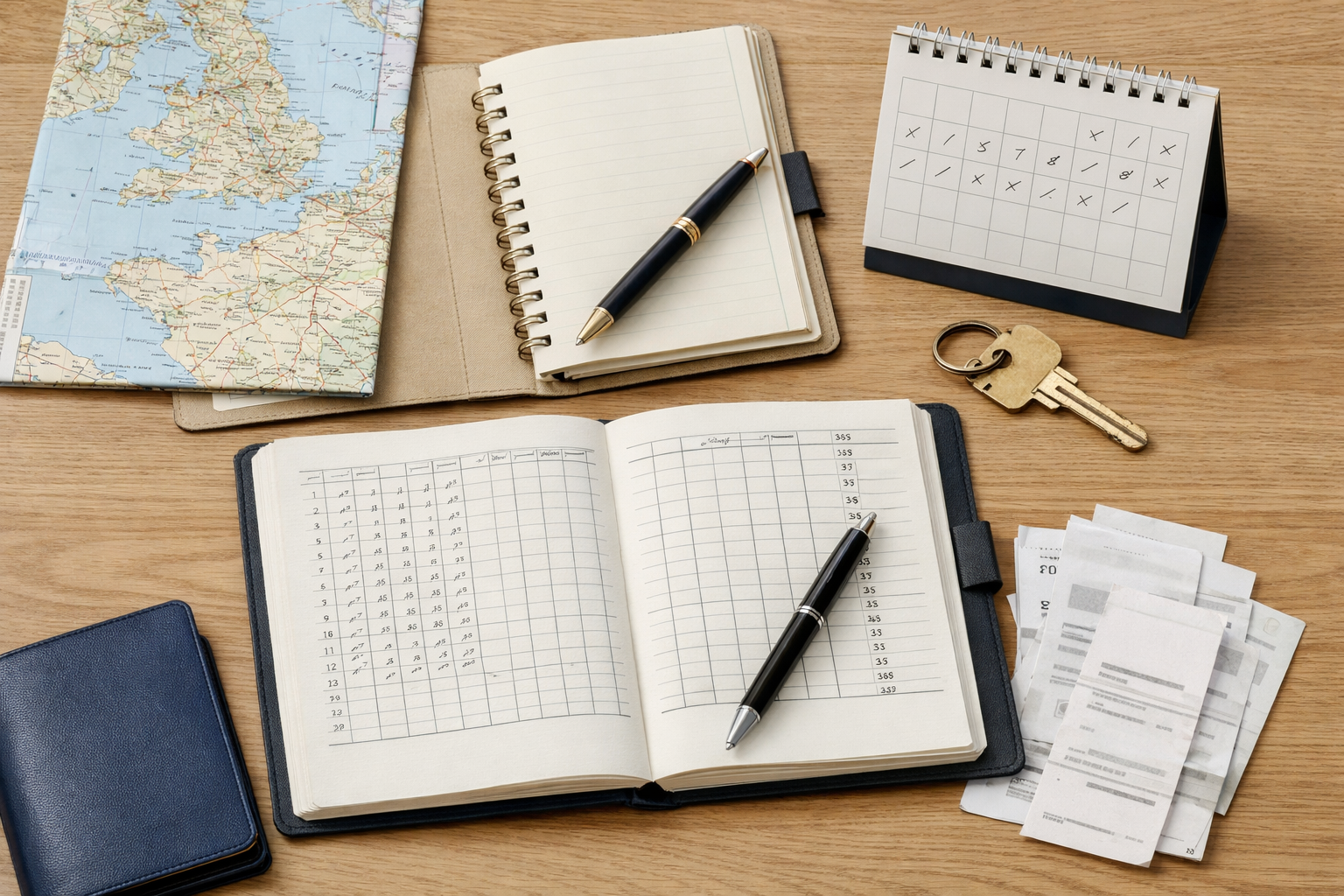
A field guide to recordkeeping for digital nomads, covering income evidence, expense support, travel documentation, folder structure, retention windows, and monthly close.
At a glance
- Capture evidence near the transaction date instead of trying to reconstruct it later.
- Keep one folder structure for income, expenses, travel, banking, and tax files.
- Travel deductions and residency decisions get weaker fast when receipts are separated from context.
Overview
Tax season feels chaotic when recordkeeping is treated as cleanup instead of infrastructure. The IRS is explicit that good records help you identify income, track deductible expenses, prepare returns, and support what you report.
- What your recordkeeping system must prove
- What money came in
- What money went out
- What was business versus personal
- Where travel was business-related and why
- How long key records need to stay available
Rule
- Capture evidence when the transaction happens or as close to it as possible. Records created later are weaker and much harder to trust.
Build one source of truth
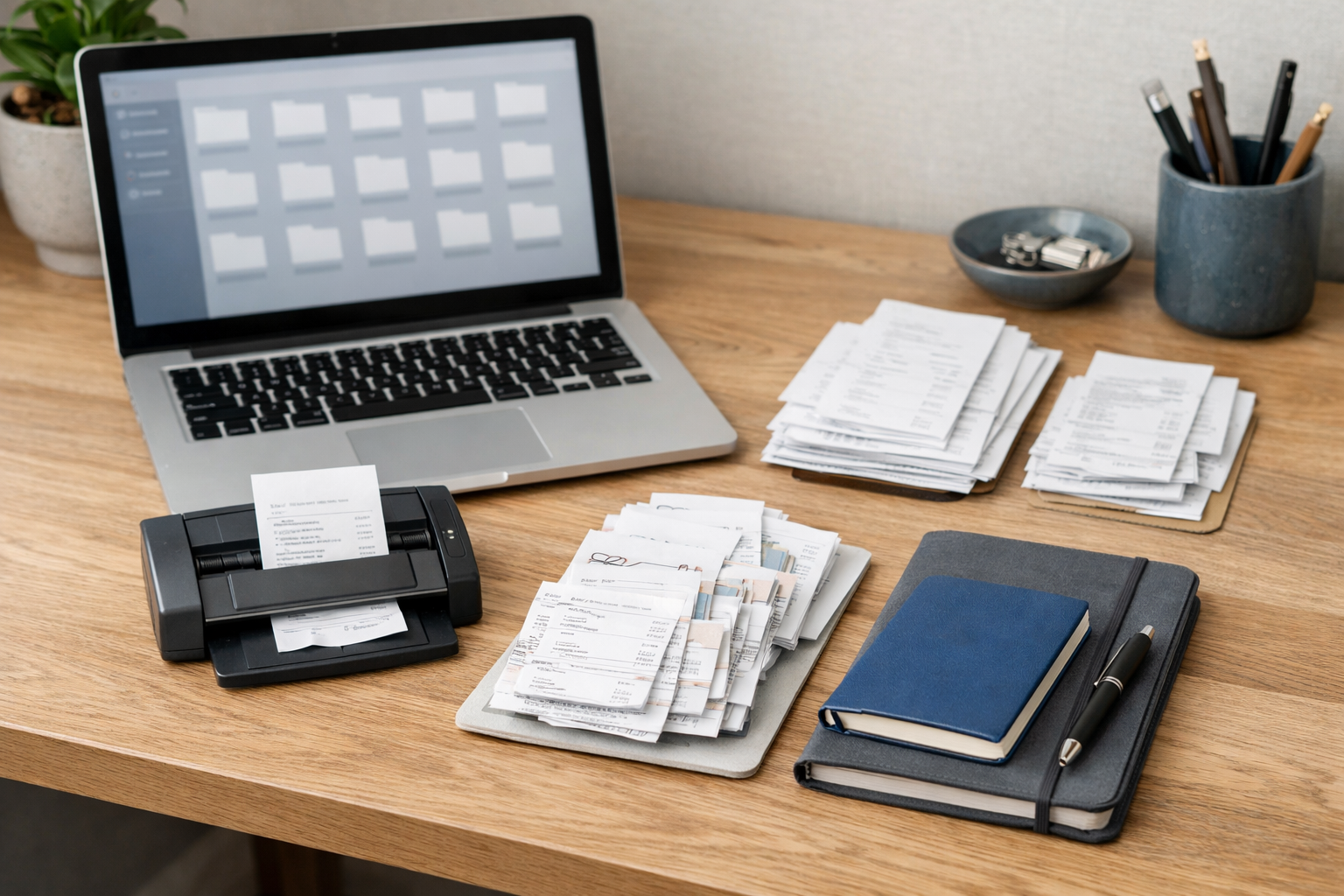
Use one monthly folder structure for income, expenses, banking, travel, and tax documents. The format can be digital, but it needs to be consistent enough that you can reconstruct a month without relying on memory.
- Suggested monthly folders
- Income
- Expenses
- Travel
- Bank statements
- Tax payments
- Contracts and invoices
- What to store for income
Invoices, contracts, payment confirmations, deposit records, and any platform statements that explain gross receipts and fees.
What to store for expenses
Receipts, invoices, account statements, and notes that identify the payee, amount, date, proof of payment, and why the item was a business expense.
Travel-specific evidence
IRS travel guidance and Publication 463 make the documentation burden clear: if you deduct travel, you need records that support the amount, timing, place, and business purpose.
Warning
- A card statement alone is usually not enough context for travel deductions.
- Weekly admin rhythm
- Download statements
- Rename receipts consistently
- Match major purchases to categories
Add notes for any travel or client-facing expense that will look ambiguous later
- Month-end close
- Reconcile all income received
- Review uncategorized expenses
- Confirm tax payments made
- Archive travel evidence with business purpose notes
How long to keep records
IRS guidance says retention depends on what the record supports, but the general baseline is to keep records supporting income, deductions, and credits until the applicable limitation period runs out. The IRS also lists longer windows for some situations, including six-year and seven-year cases, and indefinite retention if no return is filed or a fraudulent return is filed.
- Retention rule
- Keep filed returns permanently
- Keep core support files for at least the standard retention window
Keep property and basis records until the year of disposal is fully out of scope
"Recordkeeping is not bureaucracy. It is the difference between a clean explanation and a stressful reconstruction."
- The minimum viable system before next tax season
- One folder structure
- One naming convention
- One weekly reconciliation slot
- One month-end close checklist
- One secure backup
- How to know the system is good enough
You can answer three questions quickly: what you earned, what you spent, and what evidence supports the positions you expect to take.